

How an insurance claim works in Ontario, from report to payout
By Dave De Vries · Updated 2026-07-19
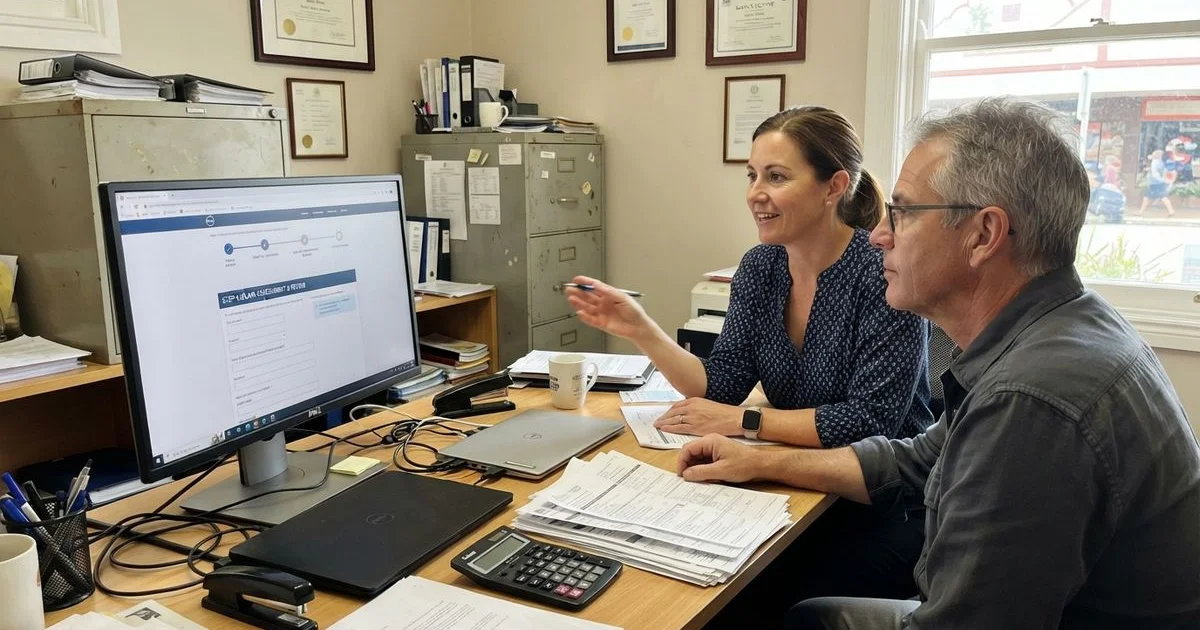
Filing an insurance claim for the first time can feel like stepping into an unfamiliar process at exactly the moment you have the least patience for one. In practice, most claims follow a fairly predictable path, and knowing the stages ahead of time makes the whole thing far less stressful.
The general path of a claim
- Report the incident to your insurer or broker as soon as reasonably possible, with the basic facts: what happened, when, and any immediate damage or injury involved.
- Provide documentation. This usually includes photos, a written account of what happened, and any relevant reports, like a police report for an accident or theft.
- An adjuster reviews the claim, verifying the details, assessing the damage or loss, and confirming what’s covered under your specific policy.
- The insurer communicates a decision, including what’s covered, any deductible that applies, and the payout amount if the claim is approved.
- Payment is issued, either directly to you or, in some cases, to a repair provider or other third party depending on the type of claim.

What speeds a claim up
| Step | Why it matters |
|---|---|
| Reporting promptly | Most policies require timely notice, and delays can complicate the process |
| Clear documentation | Photos and a written account reduce back-and-forth with the adjuster |
| Responding quickly to adjuster requests | Claims often stall waiting on information from the policyholder, not the insurer |
| Keeping records organized | Receipts, estimates, and correspondence all help if questions come up later |
What can slow a claim down
Claims involving a dispute over fault, an unusually large loss, or a policy provision that needs closer review naturally take longer than a straightforward, well-documented claim. A missing piece of documentation is one of the most common and most avoidable causes of delay, since the adjuster typically can’t move forward without it.
The role of your deductible
Your deductible is the amount you’re responsible for before the insurer’s payout kicks in, and it applies per claim, not per year, in most policies. Understanding your deductible before a claim happens, not while you’re filling out the paperwork, helps you set expectations for what you’ll actually receive.
Partial claims and recovering costs from another party
Not every claim results in a straightforward payout to you. If another party was responsible for the loss, your insurer may pursue recovery from that party’s insurer after paying your claim, a process called subrogation. You typically don’t need to do anything extra for this to happen, but it’s worth knowing about, since a successful recovery can sometimes affect how the claim shows up on your record over time, depending on your insurer’s specific practices.
Keeping a simple claim file of your own
Even though the insurer manages the official claim file, it helps to keep your own copy of what you’ve submitted: photos, the claim number, dates of key calls, and who you spoke with. If a question comes up weeks later, or if you switch insurers before the claim fully closes, having your own record on hand saves time re-explaining details that were already provided once.
Claims that involve more than one policy
Some situations, like a water leak that damages both your home and a neighbouring unit, or an accident involving more than one insured vehicle, can involve more than one policy at once. In these cases, insurers coordinate directly with each other on how the loss is split, which usually means less work for you than it might sound, though it can add time to the overall process while the companies confirm the details between themselves.
Working with a broker during a claim
If you bought your policy through an independent broker rather than directly from an insurer, that broker can often help during the claims process, answering questions about your coverage, following up with the insurer on your behalf, and helping you understand a decision you’re not sure about. This support is one of the practical advantages of working with a broker beyond the initial quote, and it’s worth reaching out to them as soon as an incident happens rather than only contacting the insurer directly.
If something feels off about the process
Most claims resolve without dispute, but if you disagree with a decision, start by asking for a clear written explanation and reviewing your policy wording. Insurers generally have an internal review process for exactly this situation, and a broker who knows your file can often help you work through it more effectively than going it alone.
For more on how insurance providers in this directory are evaluated, see our ranking methodology, or visit the homepage to browse coverage types and providers across the Toronto area.
FAQ
- How soon after an incident should I file a claim?
- As soon as reasonably possible. Most policies require prompt notice, and waiting too long can complicate the claim or, in rare cases, give the insurer grounds to question it. If you're unsure whether something is worth claiming, call your broker to talk it through rather than waiting.
- Will filing a claim automatically raise my premium?
- Not always, it depends on the type of claim, whether you were at fault, and your specific insurer's rules. Some claims, like a no-fault weather event, are treated differently than an at-fault accident. Ask your broker how a specific type of claim is likely to be treated before assuming the worst.
- What does an adjuster actually do?
- An adjuster investigates the claim, verifies the damage or loss, determines what's covered under your policy, and calculates the payout amount. For larger or more complex claims, they may inspect the property or vehicle in person.
- What can I do if I disagree with a claim decision?
- Start by asking the insurer to explain the decision in writing and reviewing your policy wording carefully. If you still disagree, many insurers have an internal appeals or ombudsman process, and a broker can often help advocate on your behalf during that process.